
- HOME PAGE
- / BLOG
BLOG

Concept and Brand Integration in Commercial Spaces
Commercial space design has become one of the most influential elements shaping modern consumer behavior. Today a visitor entering a store café restaurant office clinic or hotel is not merely consuming a product or service. They are experiencing a story a brand identity and a carefully crafted emotional environment. For this reason concept and brand integration now sits at the center of contemporary commercial interior architecture.
The connection created between brand identity and spatial design leaves a strong impression on customers. When designed properly a space becomes a physical storyteller that communicates the soul of the brand. This strengthens brand perception enhances loyalty increases social media visibility and directly supports sales performance.
Below is a comprehensive guide explaining how brand identity transforms into physical space including concept creation color psychology material strategy lighting planning customer experience design social media friendly spots sustainability digital integration and the commercial impact of design all aligned with twenty twenty five trends.
1 Brand Identity and Spatial Language
A brand identity includes much more than its logo colors or typography. It includes mission vision core values target audience emotional tone brand story communication style service character pricing structure customer perception and digital presence.
Transforming these elements into a spatial language is the foundation of commercial interior architecture.
Examples
A minimalist brand uses open calm and clean spaces
A luxury brand uses rich textures dramatic lighting and deep tones
A youth oriented brand uses energetic colors bold graphics and playful elements
A clinic or wellness center emphasizes calm tones natural textures and soft forms
A gastronomy brand uses materials that reflect its cuisine such as brick or natural stone
2 Concept Development Process
Professional concept development follows several stages.
Stage one Brand Analysis
Brand story
Target customer
Market position
Digital identity
Competitor study
Customer movement patterns
Stage two Concept Keywords and Moodboard
Modern
Calm
Natural
Young
Industrial
Timeless
Premium
Emotional
Sustainable
Stage three Color and Material Strategy
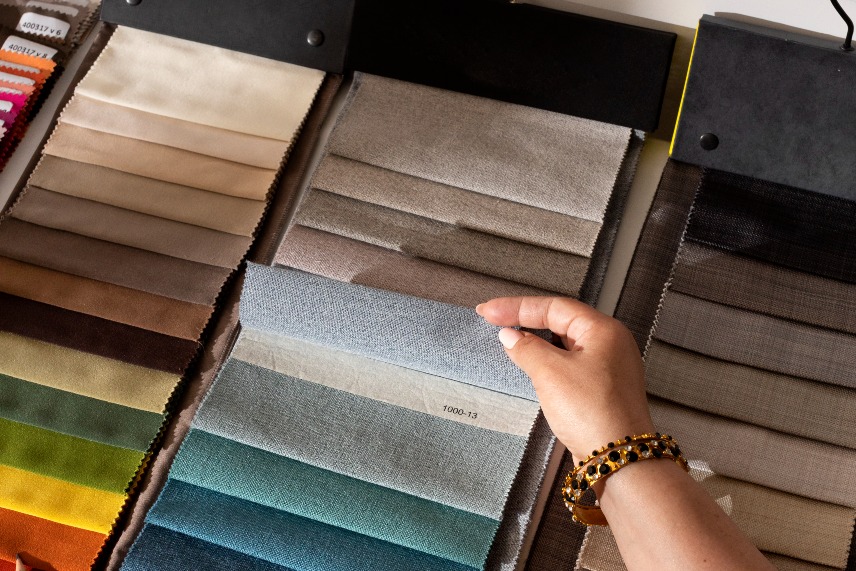
Brand colors evolve into spatial palettes that reflect emotion and identity.
Stage four Functional Space Planning
Entrance and welcoming area
Sales zones
Display units
Waiting zones
Service point
Storage
Staff area
Wet areas
Customer circulation path
Stage five Experience Design
Determining how customers feel inside the space through lighting textures circulation rhythm and emotional atmosphere.
Stage six Branding in Space
Logo positioning
Visual guidance
Graphic communication
Menu and packaging consistency
Alignment with social media identity
3 Color Psychology
Color influences subconscious decision making.
Red increases appetite and energy
Yellow draws attention and creates happiness
Orange supports dynamism
Blue creates trust and loyalty
Green symbolizes nature and balance
Black represents power and elegance
White conveys clarity and openness
4 Material Strategy
Trending materials for twenty twenty five
Microcement
Natural stone
Curved organic forms
Light toned wood
Brushed metal
Vertical ribbed details
Concrete textures
Eco friendly composite materials
5 Lighting Design
Lighting types in commercial interiors
General lighting
Accent lighting
Atmospheric lighting
Proper lighting increases the time customers stay inside and encourages engagement with products.
6 Experience Design and Social Media Spots
Commercial spaces now serve as visual environments where customers want to take photographs. An instagram friendly corner boosts brand visibility.
Feature walls
Signature furniture
Logo background
Art pieces
Neon light phrases
Large graphic elements
7 Digital Integration and Smart Systems
Popular digital elements for twenty twenty five
QR menus
Digital direction screens
Smart lighting systems
Customer flow optimization with artificial intelligence
Large LED screens
Contactless payment points
8 Sustainability in Commercial Design
Sustainability is becoming a standard expectation.
Recycled and renewable materials
Energy efficient lighting
Water saving systems
Low chemical paint
Natural ventilation
Long lasting modular systems
9 Commercial Benefits of Brand Space Consistency
Well designed spaces improve
Customer time inside
Brand perception
Social media interaction
Customer revisit rates
Overall turnover and sales
10 Commercial Design Trends for Twenty Twenty Five
Organic shapes
Pastel and natural tones
Ribbed vertical panels
Concrete and wood combinations
Soft curved furniture
Biophilic greens
Digital display integration