

- HOME PAGE
- / BLOG
BLOG
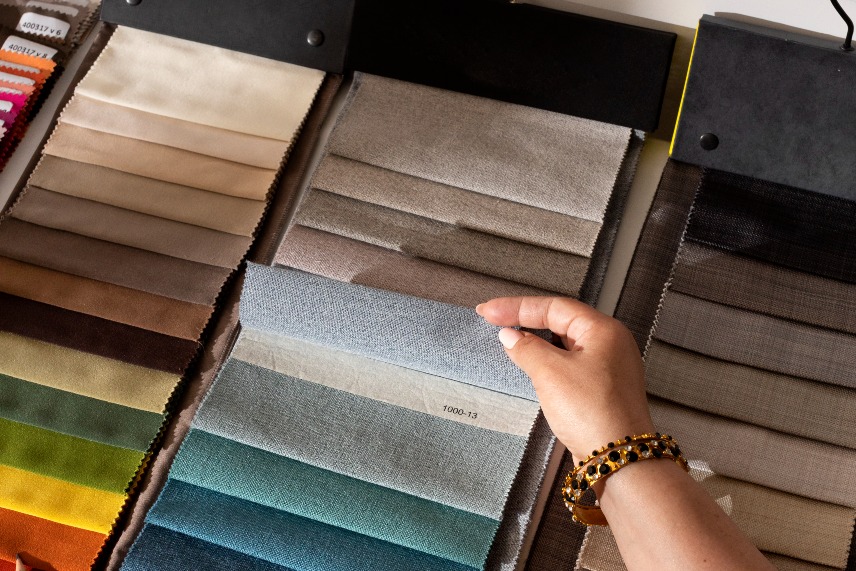
Using Textiles in Interior Decoration: Achieving Perfect Furniture Harmony
The Quiet Power Textiles Give to a Space
Among the elements that determine the atmosphere of a space—color, light, form and furniture—there is another equally important element: textile.
Textile is a powerful design tool that affects a space’s warmth, softness, acoustic balance, color harmony, comfort level, and even the user’s psychology. In interior architecture, textiles are no longer only curtains or cushions; they are seen as a professional design layer that forms identity, reinforces the space’s story, and creates coherence with furniture.
When used correctly:
- It strengthens the furniture,
- Adds depth to the space,
- Complements color balance,
- Improves acoustics,
- Raises the perception of luxury.
When used incorrectly:
- The environment looks cluttered,
- Proportions are disturbed,
- Color chaos appears,
- Furniture looks cheap or out of style.
This comprehensive guide examines in detail the professional techniques architects use to complete a space with textiles, textile–furniture harmony, trends, and layered design principles.
1. Why Textile Is One of the Hidden Keys of Decoration
Textile is one of the most organic design materials that determines a space’s psychology.
The fabric’s texture, thickness, and material properties—satin, wool, linen, etc.—can completely change the overall feeling of a space.
Six elements that make textiles powerful:
- Texture effect: matte, fuzzy, textured, knit, velvet, linen, cotton — each creates a different sensory experience.
- Color arrangement: softens, connects, and completes color transitions.
- Layer effect: adds depth and warmth.
- Acoustic improvement: significantly reduces echo.
- Giving character to furniture: textile forms the “visual language” that complements furniture.
- User tactile relation: the only design element that creates physical touch with the space.
2. The Professional Formula for Textile–Furniture Harmony
A core principle used in interior architecture:
“Furniture form + Textile texture + Color tone = Space identity.”
There are three primary criteria to establish this relationship correctly.
1) Color Harmony
Textile should either support or contrast the furniture tone.
- Light furniture → warm textiles (beige, sand, hemp textures)
- Dark furniture → lighter tones or metallic fabrics
- Wooden tones → linen, wool and natural textures
- Modern furniture → plain-surfaced fabrics
- Classic furniture → textured and patterned fabrics
2) Texture Compatibility
Professionals balance the space with soft–hard, matte–gloss, flat–textured contrasts.
Examples:
- Velvet sofa + linen cushion
- Modern sofa + bouclé textured pillow
- Wooden furniture + cotton or natural textured rug
3) Textile Choice by Style
Modern Minimal
- plain textures
- cool grey, beige, black
- flawless surfaces
Scandinavian
- light tones
- natural fiber fabrics
- knit textures
Japandi
- sand tones
- texture-focused textiles
- linen-curtain combinations
Loft/Industrial
- dark hues, leather textures
- wool rugs
- hard surfaces + soft background balance
Classic
- soft gold details
- satin, jacquard, velvet
3. Textile Layering Techniques in the Space (Layering)
Layering is one of the most used design techniques by professional interior designers.
Layers:
- Floor layer → rug
- Middle layer → textiles on sofas, cushions
- Top layer → curtains, bedcover, throw blanket
- Vertical layer → wall textiles, acoustic panels
Each layer increases the warmth level of the space.
4. Furniture Compatibility Guide by Textile Product
Curtains – Furniture Compatibility
- modern home → plain, light voile + blackout
- boho home → linen voile + natural tones
- luxury home → drape curtains + matte satin
- small home → floor-to-ceiling vertical lines
Rugs – Furniture Compatibility
- large living room → wide patterned rug
- minimal living room → plain texture
- Scandinavian style → light toned natural kilim
- loft → grey or charcoal plain rug
- classic → softly patterned rugs
Cushions – Sofa Compatibility
Rule: Three different textures in the same tone + 1 contrast color
Bedroom Textile Combination
- bedspread
- runner
- cushion set
- linen or cotton sheets
- soft toned curtains
5. 2025 Textile Trends (Interior Design Trend Analysis)
1. Bouclé Fabric Rising
A strong trend in minimal modern styling.
2. Earthy Soft Textures
Earth tones + linen + cotton combinations.
3. Layered Bed Designs
Hotel-standard layering is moving into homes.
4. Oversized Knit Blankets
Both Instagram aesthetic and cozy atmosphere.
5. Acoustic Textile Panels
Rising in offices and home-office areas.
6. Monochrome Texture Play
Combining multiple textures within the same color tone.
6. Common Mistakes and Solutions
Mistake 1: All textiles in the same tone
→ Solution: 3-tone system (primary – secondary – accent)
Mistake 2: Rug chosen too small
→ Solution: front legs of sofas should sit on the rug
Mistake 3: Cushions all the same size
→ Solution: mix 50x50 + 45x45 + 30x50 combinations
Mistake 4: Curtain cut at window height
→ Solution: full height from ceiling to floor
7. Conclusion: Textile Is the Strongest Design Layer that Complements Furniture
Furniture creates the space,
textile makes the space livable, warm and characterful.
The right chosen fabrics:
- increase flow,
- strengthen furniture,
- create a holistic design,
- give the space a professional finish.


