

- HOME PAGE
- / BLOG
BLOG
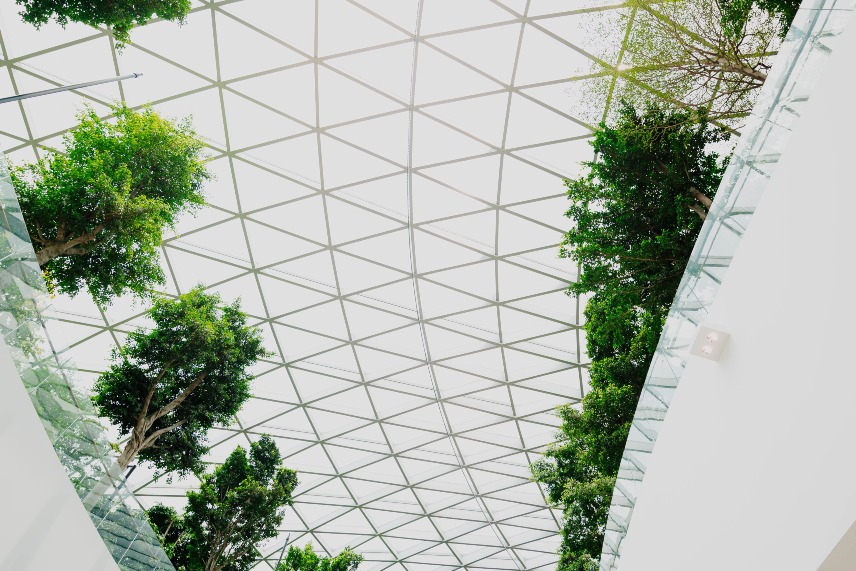
New Approaches in Sustainable Architectural Design
Sustainable architectural design is one of the most critical areas of modern architecture responding to today's environmental and economic challenges. As the impacts of the global climate crisis become increasingly apparent, reducing building energy consumption, using natural resources efficiently, and minimizing environmental impact have become essential. In this context, architects are developing innovative, eco-friendly solutions that combine both aesthetics and functionality.
Sustainable design is no longer limited to the concept of a “green building”; it encompasses social, economic, and cultural dimensions. This article explores the emerging approaches, trends, and practical examples in sustainable architectural design in detail.
1. Energy Efficiency and Smart Systems
Energy efficiency is a core feature of modern sustainable buildings. Smart building systems provide IoT-based solutions to optimize energy consumption while enhancing user comfort. For instance, sensor-equipped lighting and HVAC systems operate automatically according to demand, preventing unnecessary energy usage.
Integration of renewable energy sources is indispensable for sustainable architecture. Solar panels, wind turbines, and geothermal energy systems increase energy independence while reducing the carbon footprint. This trend is becoming more prevalent in both individual projects and large-scale urban developments.
2. Material Selection and Circular Design
Material selection plays a crucial role in reducing environmental impact in sustainable architecture. Recyclable materials, low-carbon-emission products, and locally sourced resources are preferred. Recycled steel, bamboo, natural stone, and sustainably harvested wood are widely used in modern buildings.
Circular design aims to extend the lifecycle of materials and minimize waste. During the design phase, the future reusability and recycling potential of materials are considered, ensuring both economic and environmental sustainability.
3. Green Roofs and Vertical Gardens
Green roofs and vertical gardens merge aesthetics with functionality. These systems improve urban air quality, provide insulation, and contribute to rainwater management. They also support biodiversity, creating structures in harmony with the ecosystem.
Vertical gardens offer major advantages in limited space conditions. Demand is growing for these systems in office buildings, shopping centers, and residential projects due to both architectural appeal and environmental contribution.
4. Passive Design Principles
Passive design refers to approaches that minimize energy consumption and make the most efficient use of natural resources. Building orientation, window placement, natural ventilation, and daylight optimization are fundamental aspects of passive design.
For example, south-facing large windows maximize solar gain during winter while shading systems prevent overheating in summer. These strategies reduce energy costs and enhance user comfort.
5. Water Management and Rainwater Harvesting Systems
Sustainable water management is a growing trend in architecture. Rainwater harvesting, greywater recycling systems, and water-saving fixtures reduce environmental impact. These approaches are particularly critical in arid regions or cities experiencing water stress.
6. Modular and Flexible Spaces
Modular construction systems offer both rapid construction and flexible usage advantages. Prefabricated and modular designs reduce construction waste, shorten assembly times, and allow spaces to be repurposed in the future.
Flexible spaces are designed to adapt to changing user needs. This approach enhances both economic sustainability and quality of life.
7. Smart Cities and Urban Transformation Trends
Sustainable architecture is expanding beyond individual buildings to city-scale planning. Smart city projects offer innovative solutions in energy efficiency, waste management, and transportation planning.
Urban transformation projects increasingly prioritize sustainability: green areas, carbon-neutral buildings, and integrated public transport shape the vision of modern cities.
8. Human-Centered and Health-Oriented Design
Human-centered approaches in sustainable architecture consider user health and psychological comfort. Indoor air quality, natural light, acoustic comfort, and ergonomic design directly affect user experience. In this context, the trend of biophilic design is gaining importance.
Biophilic design aims to create spaces integrated with nature. Indoor plants, natural light, water features, and natural materials reduce stress and enhance the quality of life.
Conclusion
Sustainable architectural design is not only an environmental necessity but also provides economic and social benefits. Innovative approaches such as energy efficiency, circular material use, green roofs, passive design, water management, modular structures, and biophilic design shape the vision of modern architecture.
The future success of architecture will depend on the ability to combine environmental awareness with aesthetics and functionality. Therefore, sustainable design approaches provide a crucial roadmap for architects and users alike.


