
- HOME PAGE
- / BLOG
BLOG
Loft Style Design: Modern Interpretations of the Industrial Concept
Loft style design has emerged as one of the most popular interior trends in recent years. This design approach, which blends the characteristic features of industrial architecture with modern living, draws attention with its spacious open areas, raw materials, and minimalist details. The origins of loft design date back to the early 20th century, with conversions of factories and warehouses. Shaped by the effects of the industrial revolution, these spaces are now interpreted as a combination of aesthetics and functionality.
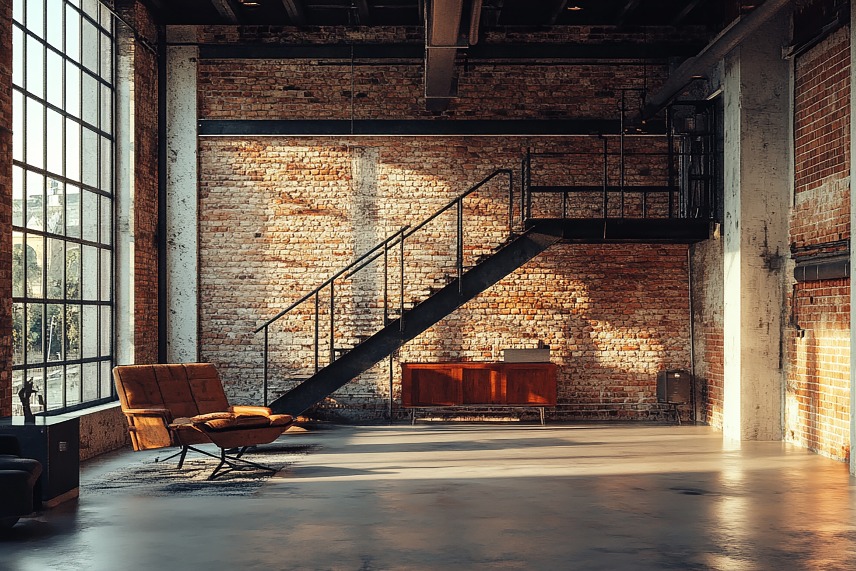
Key elements in modern loft designs include high ceilings, large windows, and open-plan living spaces. Characteristic features of industrial design, such as brick walls, concrete floors, metal beams, and exposed pipes, give spaces a raw yet sophisticated appearance. Combining these elements with modern interpretations ensures loft spaces are both warm and stylish.
Furniture selection is also a crucial part of loft design. Minimalist, functional, and modular furniture optimizes living spaces without disrupting the flow of open-plan areas. The combination of vintage and modern pieces adds character and depth to the space. Industrial-style metal and wooden furniture especially reflects the spirit of loft design.
In terms of color palette, loft design emphasizes neutral tones and natural colors. Gray, black, white, and earthy tones highlight the industrial character of the space, while pastel shades or bright accents bring warmth and energy. Lighting design is equally important in lofts; large industrial lamps, pendant lights, and LED solutions provide both aesthetic and functional benefits.
Sustainability and eco-friendly design trends are also integrated into loft concepts. Recycled materials, energy-efficient lighting, and natural ventilation systems make modern loft designs sustainable both aesthetically and environmentally. With a biophilic design approach, greenery and natural textures bring life into the space.
Smart home technologies are increasingly common in loft designs. IoT-based lighting, smart heating systems, and remotely controlled security solutions allow lofts to meet modern living standards. Modular and flexible interior solutions enable spaces to be reconfigured according to changing lifestyle needs.
Decorative accessories in loft design should be minimal and selective. Metal sculptures, abstract paintings, and vintage objects add character while avoiding over-decoration. Open shelving, bookcases, and storage solutions create a functional yet aesthetically pleasing atmosphere.
In conclusion, loft style design offers an approach that draws from its industrial roots while providing the comfort and aesthetics of modern living. With open-plan areas, raw materials, minimalist furniture, and sustainable design applications, lofts combine style and functionality in urban living. Modern interpretations of the industrial style highlight the character of each space, transforming living areas into a unique experience.