zey.sey


- HOME PAGE
- / BLOG
BLOG
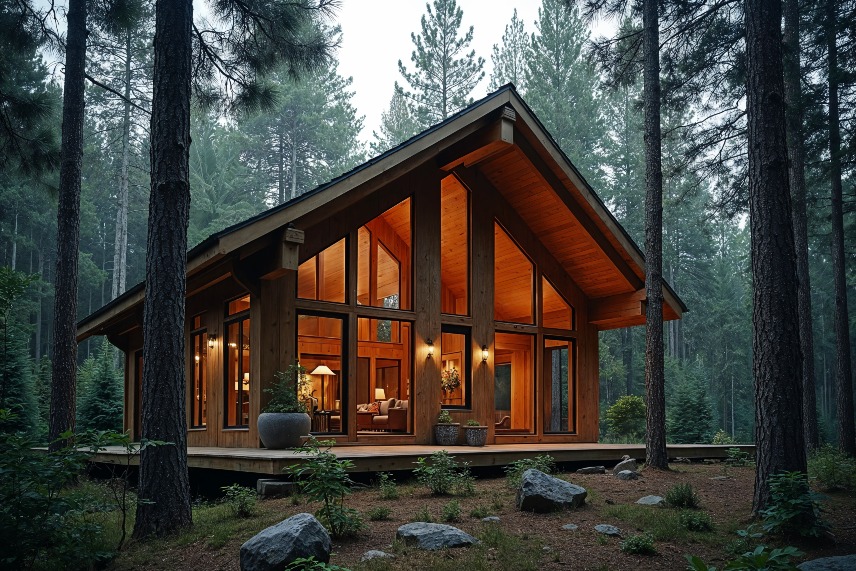
Reduced Living Spaces in Architectural Concept (‘Tiny House’ Approach)
In recent years, minimalist lifestyles and sustainable design approaches have made the concept of "Tiny House" increasingly popular in architecture. Tiny Houses are typically 10–40 square meters, designed to fit the comfort of larger homes into a small space. This approach not only reduces living space but also provides freedom, flexibility, and sustainable living options.
Tiny House and Minimalism
Minimalism emphasizes avoiding unnecessary items and spaces, simplifying life. The Tiny House concept integrates this philosophy into architecture, enabling people to experience more with less. Psychologically, it reduces clutter and improves focus. Environmentally, smaller spaces consume less energy, generate less waste, and utilize sustainable resources.
Architectural Design and Functionality
The key in Tiny House design is functional use of space. Every centimeter is optimized. Foldable furniture, modular storage systems, multifunctional areas, and natural light usage are common strategies. Open-plan layouts provide visual spaciousness and flexibility. Fluid transitions between interior and exterior spaces enhance the sense of openness.
Sustainable Material Use
Materials are crucial for sustainability. Recyclable wood, bamboo, low-VOC paints, and energy-efficient insulation reduce environmental impact while maintaining aesthetics. Renewable energy, like solar panels and small wind turbines, provides energy independence and economic benefits.
Mobile Tiny Houses
Another trend is portable and modular designs. Wheeled or modular Tiny Houses allow flexible location choices. A small city lot or a lakeside site can become a living space. Design focuses on durability, insulation, and portability.
Technology and Smart Home Systems
Technology enhances functionality in Tiny Houses. Smart lighting, energy-efficient appliances, automated climate control, and security systems elevate comfort. Smart storage and automation align with digital minimalism.
Social and Economic Impacts
Tiny House living can increase economic freedom. Smaller spaces mean lower rent or mortgage costs. Reduced consumption habits lower environmental footprint. Socially, Tiny House communities provide shared spaces, gardens, and interaction opportunities.
Trends and Future Outlook
Digital nomads, sustainability advocates, and minimalists find Tiny Houses ideal. Future Tiny Houses will be smarter, energy-efficient, flexible, and more popular. Urban Tiny House villages may reduce density and enhance quality of life.
Conclusion
Reduced living spaces are more than small homes—they embody a lifestyle, sustainability, and design innovation. Minimalism, smart tech integration, sustainable materials, and functional design are the core pillars of Tiny House concepts.


